Blog

  • How to Create a Sustainable Budget and Save Money in 2026: Step-by-Step Guide

    How to Create a Sustainable Budget and Save Money in 2026: Step-by-Step Guide

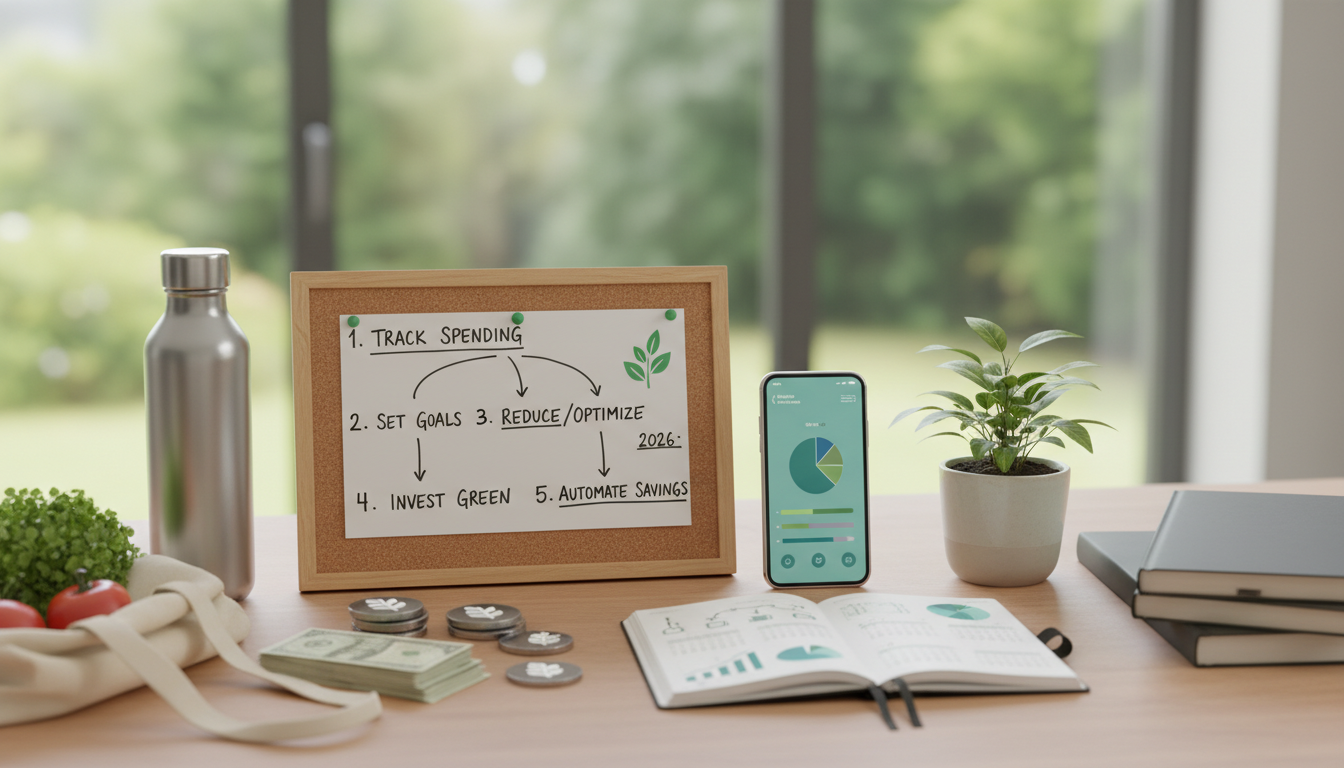
    In 2026, financial stability has become more important than ever. With rising costs of living and economic uncertainties, creating a sustainable budget isn’t just a financial recommendation—it’s a necessity. Whether you’re saving for a major life goal or simply want to gain control over your finances, this comprehensive guide will walk you through the process of building a budget that actually works.

    Why Creating a Sustainable Budget Matters in 2026

    The financial landscape of 2026 presents unique challenges and opportunities. Inflation continues to affect household spending, technology costs are evolving, and many people are reassessing their financial priorities. A sustainable budget serves as your financial roadmap, helping you allocate resources wisely and build wealth over time.

    Without a clear budget, it’s easy to overspend on non-essentials while neglecting important savings goals. A well-structured budget gives you visibility into your spending habits and empowers you to make intentional financial decisions.

    Step 1: Track Your Current Spending Habits

    Before you can create an effective budget, you need to understand where your money is currently going. For the next month, track every single expense—from your morning coffee to your monthly subscriptions.

    How to Track Expenses Effectively

    • Use budgeting apps: Applications like YNAB, Mint, or EveryDollar can automatically categorize your spending
    • Keep receipts: Save physical receipts and review them weekly
    • Review bank statements: Check your credit card and bank statements for all transactions
    • Categorize spending: Group expenses into categories like groceries, transportation, entertainment, and utilities

    This tracking phase typically reveals surprising patterns. Many people discover they’re spending significantly more on subscriptions, dining out, or impulse purchases than they realized. If you’re working remotely, understanding essential digital skills for managing your finances can help you better utilize budgeting tools and apps.

    Step 2: Calculate Your Total Income

    Determine your total monthly income from all sources. This includes:

    • Primary employment salary (after taxes)
    • Side gigs or freelance work
    • Investment returns
    • Government benefits
    • Any other regular income sources

    If your income varies month-to-month, calculate an average based on the past three to six months. This gives you a realistic baseline for budget planning. For those building side income through online platforms, developing a personal brand on social media can open additional revenue streams.

    Step 3: Identify Your Fixed and Variable Expenses

    Fixed Expenses

    Fixed expenses remain relatively constant each month:

    • Rent or mortgage payments
    • Insurance premiums
    • Loan payments
    • Utilities (with seasonal variations)
    • Subscriptions

    Variable Expenses

    Variable expenses fluctuate based on your choices:

    • Groceries
    • Gas or transportation
    • Entertainment
    • Personal care items
    • Clothing

    Understanding this distinction helps you identify where you have flexibility to cut costs if needed.

    Step 4: Apply the 50/30/20 Budgeting Rule

    A proven framework for sustainable budgeting in 2026 is the 50/30/20 rule:

    • 50% for needs: Essential expenses like housing, food, utilities, and transportation
    • 30% for wants: Discretionary spending like entertainment, hobbies, and dining out
    • 20% for savings and debt repayment: Emergency funds, retirement accounts, and debt reduction

    While this ratio works for many people, adjust it based on your circumstances. If you live in a high-cost area, your needs percentage might be higher. The key is ensuring you allocate something to savings every month.

    Step 5: Set Specific, Measurable Savings Goals

    Effective budgeting requires clear goals. Define what you’re saving for:

    • Emergency fund: Aim for three to six months of living expenses
    • Retirement: Contribute consistently to 401(k)s or IRAs
    • Short-term goals: Vacation, home repairs, or vehicle replacement (within 1-3 years)
    • Long-term goals: Home purchase, education, or financial independence (5+ years)

    Assign specific dollar amounts to each goal and timelines for achieving them. This transforms abstract savings into concrete targets.

    Step 6: Create Your 2026 Budget Document

    Organize your budget in a clear format. You can use:

    • Spreadsheets: Excel or Google Sheets for complete customization
    • Budgeting apps: Digital tools that sync with your bank accounts
    • Printable templates: Physical budget worksheets you update monthly
    • Hybrid approach: Combination of digital and physical tracking

    Your budget document should include:

    • Monthly income total
    • All expense categories with allocated amounts
    • Savings goals and contributions
    • A section for tracking actual spending versus budgeted amounts

    Step 7: Find Areas to Cut and Optimize

    Review your tracked expenses and identify reduction opportunities:

    Common Areas to Trim

    • Subscriptions: Cancel services you rarely use
    • Dining out: Reduce restaurant visits and meal prep at home
    • Impulse purchases: Implement a 30-day rule for non-essential items
    • Utilities: Shop for better rates or reduce consumption
    • Insurance: Compare quotes annually for better rates
    • Memberships: Evaluate gym, club, or streaming service usage

    Small reductions across multiple categories often yield more sustainable results than drastic cuts in one area. If you work from home, optimizing your remote work setup can reduce utility costs and improve productivity.

    Step 8: Automate Your Savings

    Make saving automatic by:

    • Setting up automatic transfers: Move money to savings accounts on payday
    • Using direct deposit: Route a portion of your paycheck directly to savings
    • Automating bill payments: Reduce the temptation to spend money earmarked for bills
    • Using round-up apps: Apps that round purchases to the nearest dollar and save the difference

    Automation removes the willpower factor and ensures consistent progress toward your goals.

    Step 9: Review and Adjust Monthly

    Your budget isn’t static. Review it monthly to:

    • Compare actual spending to budgeted amounts
    • Identify categories whe
  • The Ultimate Guide to Remote Work Setup and Productivity in 2026

    The Ultimate Guide to Remote Work Setup and Productivity in 2026

    Remote work has evolved dramatically since its rapid adoption in recent years. As we move through 2026, the landscape of working from home has matured into a sophisticated ecosystem of tools, strategies, and best practices. Whether you’re a seasoned remote worker or just beginning your work-from-home journey, this comprehensive guide will help you optimize your setup and maximize your productivity.

    Understanding the Remote Work Landscape in 2026

    The remote work revolution has fundamentally transformed how companies operate and employees work. In 2026, hybrid and fully remote positions have become the norm rather than the exception. According to recent workplace trends, approximately 70% of professionals now work remotely at least one day per week, with many organizations adopting flexible work policies as a permanent fixture.

    The shift toward remote work has created new opportunities for professionals worldwide, enabling access to global job markets and greater work-life balance. However, success in this environment requires intentional planning, proper equipment, and disciplined productivity strategies.

    Creating Your Ideal Remote Work Environment

    Choosing the Right Workspace

    Your physical environment significantly impacts your productivity and well-being. In 2026, the most successful remote workers invest in dedicated workspaces that separate professional activities from personal life.

    Consider these essential elements when setting up your workspace:

    • Dedicated Room or Area: Establish a specific location designated solely for work. This psychological boundary helps maintain focus and signals to others that you’re unavailable during work hours.
    • Natural Light: Position your desk near windows when possible. Natural light boosts mood, regulates circadian rhythms, and reduces eye strain from screen exposure.
    • Ergonomic Furniture: Invest in a quality office chair and desk at appropriate heights. Proper ergonomics prevent back pain, neck strain, and long-term health issues that plague many remote workers.
    • Noise Control: Use noise-canceling headphones or create a quiet environment by adding soft furnishings that absorb sound.

    Essential Technology and Equipment

    In 2026, having reliable technology is non-negotiable for remote work success. Your tech stack should include:

    Computer and Peripherals: A reliable laptop or desktop computer forms your foundation. Consider a second monitor to increase screen real estate and efficiency. Mechanical keyboards and ergonomic mice reduce strain during long work sessions.

    Internet Connection: A stable, high-speed internet connection is critical. Aim for at least 25 Mbps download and 5 Mbps upload speeds. Consider a backup mobile hotspot for emergencies.

    Communication Tools: Video conferencing equipment including a quality webcam, microphone, and headset ensures professional communication. Many companies in 2026 use platforms like Zoom, Microsoft Teams, or Google Meet for daily interactions.

    Backup Power: An uninterruptible power supply (UPS) protects your work from unexpected outages and prevents data loss.

    Optimizing Your Daily Productivity Routine

    Establishing Structured Work Hours

    One of the biggest challenges remote workers face in 2026 is maintaining work-life boundaries. Establishing consistent work hours helps:

    • Create predictability for colleagues and family members
    • Prevent burnout from endless work availability
    • Maintain mental health through proper rest periods
    • Improve overall productivity through concentrated effort

    Most successful remote workers maintain traditional office hours, typically 9 AM to 5 PM or 8 AM to 4 PM. This consistency helps synchronize with team members and clients across time zones. Setting clear boundaries also makes it easier to create a sustainable budget and manage work-related expenses when you have predictable income patterns.

    Implementing the Pomodoro Technique

    The Pomodoro Technique remains highly effective in 2026 for maintaining focus. This method involves:

    1. Working in focused 25-minute intervals
    2. Taking 5-minute breaks between intervals
    3. Taking longer 15-30 minute breaks after four consecutive intervals

    This approach combats decision fatigue, maintains mental energy, and prevents the afternoon slump that often affects remote workers.

    Time-Blocking and Task Management

    Organize your day using time-blocking strategies. Allocate specific time blocks for different types of work:

    • Deep Work Blocks: Schedule 2-3 hour blocks for complex, focused tasks requiring maximum concentration.
    • Meeting Time: Cluster meetings into specific periods rather than scattering them throughout the day.
    • Administrative Tasks: Designate specific times for emails, administrative work, and routine tasks.
    • Break Time: Schedule actual breaks for meals, exercise, and mental rest.

    Tools and Software for Remote Work Success

    Project Management Platforms

    In 2026, effective project management software is essential for remote teams. Popular options include:

    • Asana: Excellent for complex project tracking and team collaboration
    • Monday.com: Intuitive interface with customizable workflows
    • Notion: Versatile platform for documentation and knowledge management
    • ClickUp: Comprehensive tool combining project management with time tracking

    Communication and Collaboration Tools

    Seamless communication prevents misunderstandings and keeps remote teams connected:

    • Slack: Real-time messaging with channel organization
    • Microsoft Teams: Integrated communication with Office 365
    • Discord: Increasingly used for team communication and community building
    • Loom: Video messaging for asynchronous communication

    Mastering these collaboration tools is part of the broader digital skills everyone should develop in 2026, especially as remote work continues to dominate the professional landscape.

    Focus and Productivity Apps

    Specialized applications help maintain concentration:

    • Forest: Gamified focus app that grows virtual trees during work sessions
    • Freedom: Blocks distracting websites and apps
    • RescueTime: Automatic time tracking reveals productivit
  • How to Build a Personal Brand on Social Media: A Complete 2026 Guide

    How to Build a Personal Brand on Social Media: A Complete 2026 Guide

    In 2026, personal branding has become more important than ever. Whether you’re an entrepreneur, freelancer, content creator, or professional looking to advance your career, building a strong personal brand on social media is essential for success. This comprehensive guide will walk you through every step of creating and maintaining a compelling personal brand that resonates with your audience.

    Why Personal Branding Matters in 2026

    The digital landscape has evolved dramatically, and personal branding is no longer optional—it’s essential. In 2026, employers, clients, and collaborators increasingly research individuals online before making decisions. A well-crafted personal brand can open doors to opportunities, establish credibility, and help you stand out in a crowded marketplace.

    Personal branding on social media allows you to control your narrative, showcase your expertise, and build meaningful connections with your audience. Whether you’re looking to launch a business, secure a job, or establish yourself as a thought leader, a strong personal brand is your foundation.

    Define Your Unique Value Proposition

    Identify Your Niche

    Before you start posting, determine what makes you unique. What skills, experiences, or perspectives do you bring to the table? Your niche should be specific enough to differentiate you but broad enough to attract a meaningful audience. In 2026, audiences appreciate authenticity and specialization over generic content.

    Ask yourself:
    – What am I passionate about?
    – What problems can I solve?
    – Who would benefit from my expertise?
    – What sets me apart from others in my field?

    Clarify Your Message

    Your personal brand message should be clear, concise, and consistent across all platforms. This is the core message you want people to remember about you. It could be something like “I help remote workers optimize their productivity” or “I share insights about sustainable fashion.”

    Your message should reflect your values, expertise, and the value you provide to your audience.

    Choose the Right Social Media Platforms

    Platform Selection Strategy

    In 2026, the social media landscape includes numerous platforms, each with unique audiences and content formats. Rather than spreading yourself thin across every platform, focus on 2-3 channels where your target audience is most active.

    LinkedIn remains the go-to platform for professional branding, career development, and B2B networking. If you’re targeting professionals or business audiences, this should be a priority.

    Instagram continues to dominate for visual storytelling, lifestyle branding, and creative industries. It’s ideal if your brand relies on visual content.

    TikTok has become a powerhouse for reaching younger audiences and trending content. Short-form video content performs exceptionally well here.

    YouTube is perfect for long-form video content, tutorials, and establishing authority in your niche.

    X (formerly Twitter) works well for thought leadership, real-time commentary, and engaging in industry conversations.

    Choose platforms based on where your target audience spends time and where your content format aligns naturally.

    Optimize Your Profiles for Maximum Impact

    Create a Compelling Bio

    Your bio is often the first impression people have of your brand. Make it count. In 2026, effective bios are:

    • Clear and benefit-focused
    • Include relevant keywords for discoverability
    • Include a call-to-action
    • Reflect your personality while remaining professional

    Example: “Marketing strategist helping B2B companies scale their revenue | Content creator | Let’s connect →”

    Use Professional Imagery

    Invest in high-quality profile photos and cover images. Your profile picture should be professional, well-lit, and clearly show your face. Consistency in visual branding across platforms strengthens recognition.

    Complete All Profile Sections

    Fill out every available field on your profiles. Include your website, contact information, location, and links to your other platforms. This increases your discoverability and makes it easy for interested parties to connect with you.

    Create Valuable, Consistent Content

    Develop a Content Strategy

    Successful personal branding requires a strategic approach to content creation. In 2026, quality and consistency matter more than posting frequency. Develop a content calendar that includes:

    • Educational content that showcases your expertise
    • Behind-the-scenes content that humanizes your brand
    • Industry insights and commentary
    • Personal stories that build connection
    • User-generated content and community engagement

    Focus on Quality Over Quantity

    One well-crafted, valuable post per week beats seven mediocre posts. Your content should provide genuine value to your audience, whether that’s education, entertainment, or inspiration.

    Maintain Authenticity

    In 2026, audiences can detect inauthenticity instantly. Share your real journey, including challenges and failures. Authentic content builds trust and creates deeper connections with your audience.

    Engage Authentically With Your Community

    Build Genuine Relationships

    Personal branding isn’t about broadcasting—it’s about building relationships. Respond to comments, engage with others’ content, and participate in relevant conversations. In 2026, engagement algorithms reward genuine interaction.

    Collaborate With Others

    Collaborations amplify your reach and add credibility. Partner with complementary creators, participate in interviews, and contribute to industry discussions. These collaborations introduce you to new audiences and strengthen your authority.

    Listen to Your Audience

    Pay attention to what resonates with your followers. Which posts get the most engagement? What questions do people ask? Use these insights to refine your content strategy.

    Leverage Multiple Content Formats

    Video Content

    Video continues to dominate in 2026. Whether it’s short-form TikToks, YouTube tutorials, or LinkedIn videos, video content generates higher engagement and helps you build a stronger connection with your audience.

    Written Content

    Long-form content on platforms like LinkedIn and Medium establishes thought leadership. Articles, insights, and detailed guides position you as an expert in your field.

    Visual Content

    Infographics, carousel posts, and high-quality images break up your feed and make your content more shareable.

    Monitor, Measure, and Adapt

    Track Your Metrics

    Regularly review your analytics to understand what’s working. Track engagement rates, follower growth, reach, and conversions. In 2026, most platforms provide detailed analytics dashboards.

    Adjust Your Strategy

    Based on your metrics, continuously refine your approach. Double down on what works and experiment with new formats and topics.

    Stay Updated With Trends

    Social media evolves constantly. Stay informed about algorithm changes, new features, and emerging trends in your industry.

    Conclusion

    Building a personal brand on social media in 2026 requires clarity, consistency, and authenticity. By defining your unique value proposition, choosing the right platforms, creating valuable content, and engaging genuinely with your community, you’ll establish a personal brand that attracts opportunities and builds lasting connections.

    Remember, personal branding is a long-term investment. Start today, stay consistent, and watch your influence grow.

  • 10 Essential Digital Skills Everyone Should Learn in 2026

    10 Essential Digital Skills Everyone Should Learn in 2026

    In 2026, the digital landscape continues to evolve at an unprecedented pace. Whether you’re a student, professional, or career changer, developing essential digital skills has become non-negotiable for success in nearly every field. This comprehensive guide explores the ten most critical digital competencies you should master this year to stay competitive and relevant in the modern workforce.

    Why Digital Skills Matter More Than Ever in 2026

    The workplace transformation accelerated by technology means that digital literacy is no longer optional—it’s fundamental. Companies across industries are seeking employees who can navigate digital tools, understand data, and adapt to technological changes. In 2026, those without basic digital skills face significant barriers to employment and career advancement.

    The good news? These skills are learnable, and there’s no better time than now to invest in your digital education.

    1. Artificial Intelligence and Machine Learning Literacy

    Understanding AI in Your Daily Work

    Artificial intelligence has moved from theoretical concept to practical workplace tool. In 2026, understanding how AI works and how to leverage it is essential across industries—from marketing to healthcare to finance.

    You don’t need to become a data scientist, but you should understand:
    – How AI algorithms make decisions
    – Practical applications of machine learning in your field
    – Ethical considerations around AI implementation
    – How to use AI-powered tools effectively

    Start by exploring AI writing assistants, image generators, and productivity tools that are now mainstream in 2026.

    2. Data Analysis and Visualization

    Making Sense of Information

    Data is everywhere, and the ability to interpret it is invaluable. In 2026, basic data literacy means understanding how to:
    – Read and interpret data visualizations
    – Use spreadsheet tools for analysis
    – Identify trends and patterns
    – Present data compellingly

    Tools like Excel, Google Sheets, and Tableau have become standard across organizations. Learning to manipulate data and create meaningful visualizations will significantly boost your professional value.

    3. Cloud Computing and Remote Collaboration

    Working in the Connected World

    Cloud-based work environments are now the norm in 2026. Essential skills include:
    – Managing files in cloud storage systems
    – Using collaborative platforms like Microsoft 365 and Google Workspace
    – Understanding cloud security basics
    – Working effectively in distributed teams

    Proficiency with these tools isn’t just about technical knowledge—it’s about understanding how modern teams operate and communicate. For a deeper dive into optimizing your remote work environment, check out our ultimate guide to remote work setup and productivity in 2026.

    4. Cybersecurity Awareness

    Protecting Yourself and Your Organization

    With cyber threats increasing daily, cybersecurity awareness is crucial. In 2026, everyone should understand:
    – How to create and manage strong passwords
    – Recognizing phishing and social engineering attempts
    – Basic data protection principles
    – Safe browsing practices
    – When and how to report security concerns

    You don’t need to be a security expert, but basic awareness prevents costly mistakes and protects sensitive information.

    5. Digital Marketing and Social Media Strategy

    Building Your Online Presence

    Whether you’re self-employed, freelancing, or working for a company, understanding digital marketing is valuable. Key competencies in 2026 include:
    – Social media strategy and management
    – Content creation for various platforms
    – SEO basics
    – Email marketing fundamentals
    – Analytics interpretation

    These skills are relevant whether you’re promoting a business, personal brand, or organizational initiatives. If you’re looking to establish or enhance your digital footprint, our comprehensive guide on how to build a personal brand on social media can help you get started.

    6. Video Content Creation and Editing

    Mastering the Most Engaging Medium

    Video dominates digital communication in 2026. Essential skills include:
    – Basic video recording techniques
    – Simple editing using accessible tools
    – Creating engaging short-form content
    – Understanding platform-specific video requirements
    – Audio basics

    You don’t need professional equipment—smartphones and free editing software are sufficient to get started.

    7. Programming and Code Fundamentals

    Understanding the Language of Technology

    While you don’t need to become a software developer, understanding coding basics is increasingly valuable. In 2026, consider learning:
    – Python (versatile and beginner-friendly)
    – HTML and CSS (web fundamentals)
    – Basic programming logic and problem-solving
    – How to read and understand code

    These skills enhance logical thinking and open doors across industries, from business automation to data analysis.

    8. Digital Project Management

    Organizing and Delivering Results

    Project management tools have become standard in 2026. Essential competencies include:
    – Using platforms like Asana, Monday.com, or Jira
    – Understanding Agile and Scrum methodologies
    – Managing timelines and resources digitally
    – Tracking progress and reporting outcomes
    – Collaborating effectively in structured environments

    These skills improve productivity regardless of your role or industry.

    9. User Experience (UX) and Design Thinking

    Creating Better Digital Products

    Understanding how users interact with digital products is increasingly important. In 2026, you should grasp:
    – Basic UX principles
    – Design thinking methodology
    – User research fundamentals
    – Accessibility standards
    – How to provide constructive feedback on digital interfaces

    These concepts apply whether you’re developing products or simply using them more effectively.

    10. Digital Communication and Soft Skills

    Excelling in Virtual Environments

    The final essential skill is mastering digital communication. In 2026, this means:
    – Professional email communication
    – Effective video conferencing presence
    – Written communication clarity
    – Emotional intelligence in digital spaces
    – Managing digital distractions
    – Building relationships remotely

    Techn

  • Hello world!

    Welcome to WordPress. This is your first post. Edit or delete it, then start writing!